


How mickey’s big mouth beer got its name and that famous green barrel bottle
The story behind the name and the green bottle
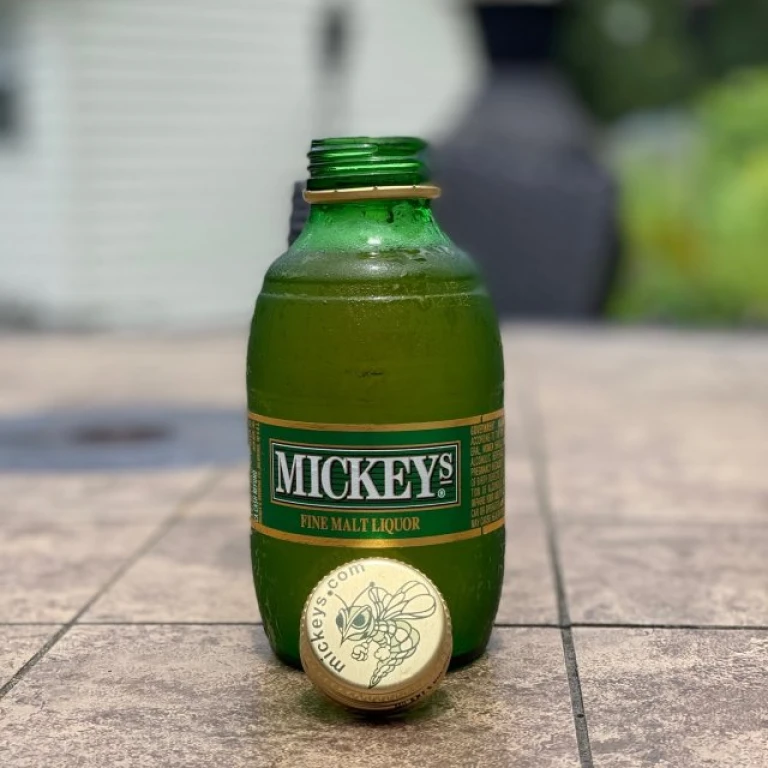
Mickey’s Big Mouth Beer stands out not just for its taste, but for its memorable name and unique packaging. The nickname “Big Mouth” comes from the wide, short-necked green bottle that has become a signature of the brand. This design makes it easy to drink from and instantly recognizable on store shelves or at gatherings. The bottle’s barrel-like shape and bold green color have helped Mickey’s carve out a distinct identity among American malt liquors.
The origins of the name are rooted in both marketing and practicality. The wide opening was designed to enhance the drinking experience, giving it a fun, approachable vibe that appealed to a younger crowd. Over time, the bottle itself became a symbol of casual good times and camaraderie, often referenced in pop culture and personal stories, which we’ll explore later in this article.
If you’re interested in how beer packaging and branding influence our perceptions, you might enjoy reading about the journey through the world of beer and how different styles and presentations shape the beer experience.

What makes mickey’s big mouth beer different from other malt liquors
Unique flavor and packaging set Mickey’s apart
Mickey’s big mouth beer stands out in the malt liquor world for several reasons. Its distinctive green barrel-shaped bottle is instantly recognizable, but the differences go far beyond packaging. The beer itself offers a smooth, slightly sweet taste profile with a crisp finish, making it approachable for both seasoned beer fans and newcomers alike.
- Flavor profile: Unlike some malt liquors that can be harsh or overly boozy, Mickey’s balances its higher alcohol content with a mellow, almost honeyed maltiness. There’s a subtle hop presence, but the focus is on drinkability and refreshment.
- Carbonation and mouthfeel: The beer is moderately carbonated, which enhances its refreshing character. The wide-mouth bottle also contributes to the experience, allowing for bigger sips and a fuller aroma with each drink.
- Packaging innovation: The iconic "big mouth" bottle isn’t just a marketing gimmick—it actually changes the way you taste the beer, letting more aroma reach your nose and making each sip more satisfying.
For those interested in how serving style and tradition impact beer enjoyment, the charm of cask ale offers a fascinating comparison to Mickey’s approach to flavor and presentation.
While Mickey’s has a unique place among malt liquors, its taste and packaging have helped it earn a loyal following, as you’ll see in stories from fans and pop culture references throughout its history.
The story of the breweries behind mickey’s: from sterling to miller to coors
From small-town roots to national shelves
Mickey’s Big Mouth Beer has a fascinating journey shaped by several breweries, each leaving its mark on the brand’s character. The story begins with the Sterling Brewery, a regional favorite known for its commitment to quality and innovation. Sterling’s original vision set the foundation for what would become an iconic malt liquor, especially with its unique packaging and bold flavor profile.
As the beer gained popularity, it caught the attention of larger players in the industry. The Miller Brewing Company stepped in, bringing Mickey’s to a wider audience. Under Miller’s stewardship, the beer’s distribution expanded significantly, and the brand’s identity—already distinct thanks to its green barrel-shaped bottle—became even more recognizable. Miller’s expertise in marketing and production helped Mickey’s carve out a niche among malt liquors.
Eventually, the Coors Brewing Company took over, ensuring Mickey’s continued presence on store shelves across the country. Each transition brought subtle changes, but the core appeal of Mickey’s remained: a robust, easy-to-drink malt liquor with a memorable package. The involvement of these brewing giants not only secured Mickey’s legacy but also allowed it to adapt to changing tastes and trends in the beer world.
- Sterling Brewery: Original creator, set the tone for quality and innovation
- Miller Brewing Company: Expanded reach and refined the brand’s image
- Coors Brewing Company: Maintained availability and adapted to modern markets
For those interested in the traditions and expertise that go into brewing and serving beers like Mickey’s, the art of beer foam offers a deeper look at the craft behind every pour.
Mickey’s big mouth beer in popular culture and personal stories
Mickey’s in movies, music, and everyday life
Mickey’s big mouth beer has earned a spot in pop culture thanks to its unique look and approachable taste. The bold green bottle and wide-mouth design have made it a recognizable prop in films and TV shows, often used to evoke a laid-back, working-class vibe. Musicians and artists have also referenced Mickey’s in their lyrics and artwork, cementing its status as more than just a beverage—it’s a symbol of good times and nostalgia for many.
Stories from fans and collectors
For some, Mickey’s is more than a drink; it’s a part of their personal history. Many fans recall sharing a six-pack with friends at backyard barbecues or college parties. Collectors seek out vintage Mickey’s memorabilia, from old bottle caps to advertising signs, drawn by the beer’s distinctive branding and the memories it represents. The green barrel bottle, discussed earlier, is especially prized among collectors for its quirky design and retro appeal.
Why Mickey’s stands out in social settings
Unlike many malt liquors, Mickey’s has managed to cross generational lines. It’s often chosen for casual gatherings where the goal is to relax and enjoy good company. The wide-mouth bottle makes it easy to share, and its approachable flavor profile appeals to both seasoned beer lovers and newcomers. Whether at a tailgate, a music festival, or a quiet night in, Mickey’s big mouth beer continues to bring people together, reinforcing its reputation as an iconic brew with a loyal following.

Comparing mickey’s big mouth beer to other beer brands and styles
How Mickey’s stands out among malt liquors
Mickey’s Big Mouth beer has carved out a unique spot in the world of malt liquors. Unlike many of its competitors, Mickey’s is known for its distinctive green barrel-shaped bottle and its smooth, slightly sweet flavor profile. While some malt liquors can be harsh or overly boozy, Mickey’s manages to balance strength with drinkability, making it approachable for both new and seasoned beer fans.
Comparing taste and style with other brands
- Olde English 800: This classic malt liquor is often compared to Mickey’s. Olde English tends to have a stronger alcohol bite and a less refined finish, while Mickey’s offers a smoother, more mellow experience.
- Colt 45: Known for its bold marketing, Colt 45 is a staple in the malt liquor category. Its flavor is a bit more robust and grain-forward than Mickey’s, which is lighter and slightly fruitier.
- Steel Reserve: With a higher ABV, Steel Reserve is heavier and more intense. Mickey’s, by contrast, is easier to sip and less likely to overwhelm the palate.
How Mickey’s fits into the wider beer landscape
Compared to craft lagers or IPAs, Mickey’s Big Mouth beer is less about hop complexity or artisanal ingredients and more about straightforward refreshment. Its appeal lies in its consistency and the nostalgia tied to its branding and packaging. For many, Mickey’s is a go-to for casual gatherings, tailgates, or simply enjoying a cold beer without pretense.
Fans of Mickey’s often appreciate its balance of flavor and affordability, setting it apart from both budget beers and pricier craft options. Whether you’re reminiscing about its place in pop culture or just enjoying its easy-drinking style, Mickey’s Big Mouth beer continues to hold its own among a crowded field of beer brands and styles.